Zero-Waste Cooking: How to Build Recipes Around What's in Your Fridge
Most household food waste comes from buying ingredients you already have. Cook ingredient-first instead of recipe-first — three steps, no extra shopping, no wilted herbs at the back of the drawer.
Zero-Waste Cooking: How to Build Recipes Around What’s in Your Fridge
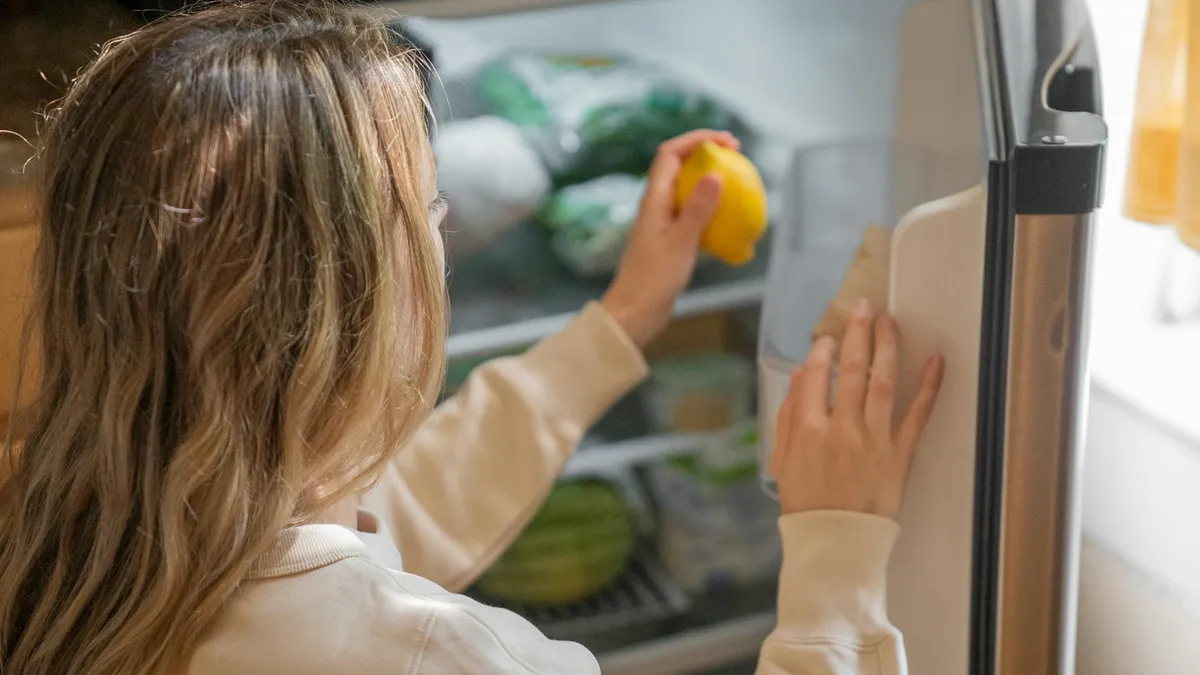
You stand in front of the open fridge. The vegetable drawer holds two carrots, a half-used bunch of parsley going limp, a single zucchini, and the heel of a hard cheese you forgot about. The shelf has eggs, a jar of mustard, and yesterday’s rice. The brain freezes. You order delivery.
This is not a willpower problem. It is a starting-point problem. Most cooking advice begins with “pick a recipe”, and that order of operations is exactly what makes ingredients rot in the back of the fridge. Inverting it is the entire trick.
Where home food waste actually comes from
It is rarely scraps. It is the half-bag of spinach you bought for a recipe, used three leaves, and never returned to. It is the bunch of cilantro that wilted while you “decided what to do with it”. It is the leftover rice that you remembered on day five.
About a third of household food waste in Europe is fresh produce that became unappetising before being eaten. It is bought, refrigerated, looked at every time the door opens, and binned. The friction is not the cooking — it is the gap between seeing the ingredient and knowing what to do with it.
The recipe-first trap
The default loop most households run looks like this:
- Decide what to cook (recipe).
- List missing ingredients.
- Shop for them.
- Cook.
- Forget the leftovers.
The problem is step 1. Picking a recipe is mental work, and the recipes you remember usually need ingredients you do not have. So you shop. The new ingredients displace the old ones at the front of the fridge. The old ones move to the back. They die there.
Inverting the order — start from what you have, then choose a recipe that fits — eliminates the shopping step on most weeknights. The shop happens once a week for staples; the rest of the week is composition from what is already there.
Ingredient-first cooking, in three steps
This is the habit, not the philosophy:
- Snap the fridge. Open both the main shelves and the vegetable drawer. Take one or two photos with everything visible. This takes ten seconds.
- Prompt for recipes that use the visible items. A modern AI recipe app reads the photo and proposes three or four recipes that center on what is already there. The good ones flag which items would otherwise wilt soonest.
- Pick by mood, cook from the existing list. The shopping step is gone. If a single ingredient is missing — a lemon, a tin of tomatoes — you can decide whether to substitute, walk to the corner shop, or pick a different suggestion.
The whole loop runs under five minutes. The cooking itself is whatever the recipe says.
What AI does well in this loop
The bottleneck is not the recipe. It is the cognitive load of “what can I make with these specific eight things”. That problem has been studied — most home cooks default to three or four mental templates (pasta, omelette, fried rice) when freestyling, because thinking past them while staring at a fridge is hard.
A generator handles the combinatorics. Eight items can produce dozens of plausible dishes. The model picks the ones that use the most of what is there, normalises quantities to what you actually have, and suggests substitutions for anything missing.
The role of the AI is not creativity. It is exhaustively searching the space of “what is cookable from these specific items” so you do not have to.
Six combos worth cooking
Some patterns recur in fridge photos. If you see one of these, you almost always have the start of a meal:
- Eggs + leftover rice + any vegetable: a cleanout fried rice or a frittata.
- Bread heels + cheese rind + any milk: bread pudding (sweet) or a savoury panade.
- Wilted herbs + garlic + olive oil: a salsa verde, a pesto, a sauce that will save anything else.
- Half-used lemons + capers + anchovies: emergency vinaigrette that lifts roast vegetables or grilled fish.
- Tinned beans + tomato + dried pasta: the classic ten-minute pasta e fagioli.
- Yoghurt + cucumber + fresh herbs: tzatziki for whatever is grilling.
Knowing the combos in advance helps even without an app. The app helps when the combo is less obvious.
Habit changes that actually stick
A few small adjustments matter more than any tool:
- Photograph the fridge once a week, not before every meal. Saturday morning is enough. The mental map lasts the week.
- Keep a single “use first” shelf for half-used items. They go there when opened.
- Cook the wiltable items before the durable ones. Carrots can wait. Parsley cannot.
- Treat leftovers as ingredients, not as meals. Yesterday’s rice is the base of tomorrow’s lunch, not a sad reheat.
These habits compound. After a month, the fridge looks different — emptier on Sunday, fuller on Monday, never the same item rotting twice.
Where RecipLab fits
You point the camera at the open fridge. The app reads the contents, prioritises the items that wilt fastest, and proposes recipes that center on them. You add anything the photo missed (the half-jar of mustard at the back, the hard cheese on the door). You pick one. You cook.
The technology is not the point. The point is that the habit is finally light enough to keep.
Try RecipLab the next time you stand in front of the fridge thinking about delivery.