AI Recipe Generator: What It Actually Does in 2026
An AI recipe generator turns photos of ingredients, text prompts, or social-media clips into step-by-step recipes. Here is what the technology does and what it still gets wrong.
AI Recipe Generator: What It Actually Does in 2026
You open the fridge. Half an onion, a handful of cherry tomatoes, two eggs, a wedge of parmesan that has seen better days. Twenty years ago you would flip through a cookbook. Ten years ago you would Google “recipes with tomatoes and eggs.” Today you point your phone at the shelf and get a recipe. That is what an AI recipe generator does, and it is worth understanding what is actually happening when it works — and when it does not.
What the technology actually is
An AI recipe generator is not one model. It is a pipeline. The exact shape depends on the input, but the pattern is the same:
- Photo input runs through a vision-language model that identifies objects, estimates quantities, and returns a structured ingredient list. The list is then passed to a recipe-generation model that produces instructions.
- Text input goes straight to a language model fine-tuned on recipe corpora. It parses the request (“a quick lunch with what I have: chickpeas, spinach, lemon”) and generates a recipe matching the constraints.
- Video input is transcribed first — audio to text, sometimes with frame sampling — and the transcript is then summarized into a recipe. This is how the app rebuilds a TikTok cooking clip as a readable recipe.
- URL input fetches the page, strips the ad copy and SEO filler, and extracts the structured recipe schema (or infers one if the site is unstructured).
All four pipelines converge on the same output format: a recipe object with ingredients, quantities, steps, time, and usually macronutrients.
What makes a generator feel accurate
The difference between a good and bad AI recipe generator is not which model they use. It is three things:
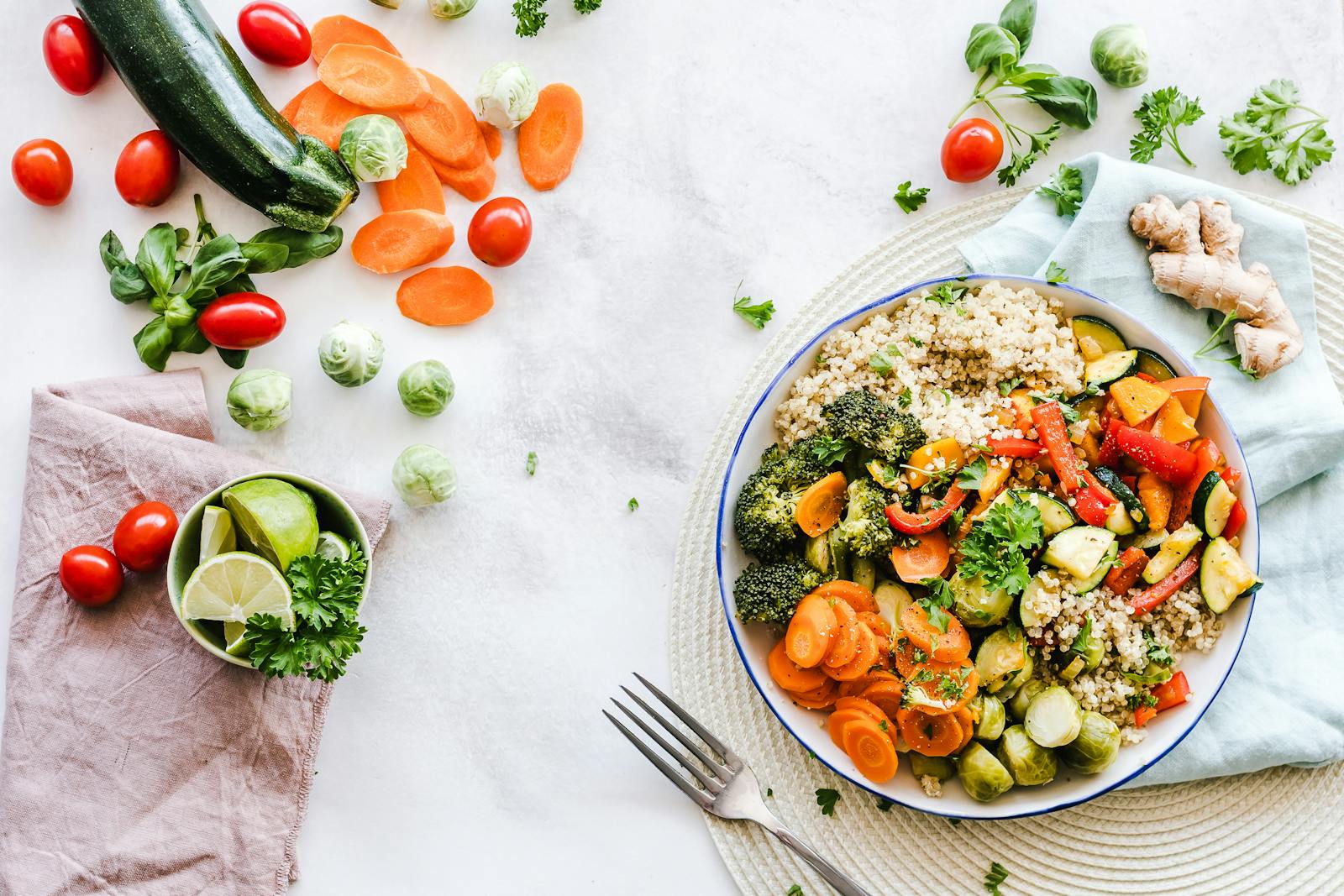
- Input quality. A single overhead photo of clearly-separated ingredients on a neutral background produces dramatically better output than a close-up of the inside of a crowded fridge. This is training data bias showing through — models are mostly trained on food-blog photography.
- Constraint handling. A serious generator asks (or infers) your dietary restrictions, cooking skill, equipment, and serving count before generating. Without constraints, output defaults to a generic four-serving stovetop recipe.
- Quantity estimation. Identifying a tomato from a photo is easy. Guessing whether it weighs 80g or 180g is hard. Good apps ask you to confirm quantities before generating; bad ones silently guess and produce recipes that do not balance.
Where the technology still fails
Honest failure modes to know about:
- Regional ingredients. Models trained predominantly on English-language recipes underperform on dishes built around ingredients like samphire, nduja, or galangal.
- Texture and freshness. AI cannot tell you that your bread is stale or your avocado is past saving. It sees shapes and colors, not decomposition.
- Techniques at the edges. Fermentation, sous vide, and advanced bread work require calibration AI does not have access to. For those, follow a specialist source.
- Allergies. Never trust an AI recipe generator alone for serious allergies. Always re-check the ingredient list manually.
How to get the best output
- Photograph ingredients on a plain surface with good overhead light.
- Name dietary restrictions in the prompt, every time.
- Confirm quantities when the app asks — it reduces errors by roughly half.
- Rate the output. The feedback loop is how these systems get better at your personal taste.
Is it worth it?
For the weeknight “what do I cook with this” question, yes. An AI recipe generator compresses twenty minutes of searching and adapting into about ten seconds. For technique-heavy or high-stakes cooking — a soufflé, a new fermentation project, a recipe you will serve to guests — still reach for a trusted cookbook or recipe site. Use AI for the everyday, use experts for the exceptional.
Try RecipLab to see how it handles your fridge.